10 Future-Proof UX Design Tips for 2026
Written by UIDesignz Feb 23, 2026 4 min read
Last updated: Jul 28 2026

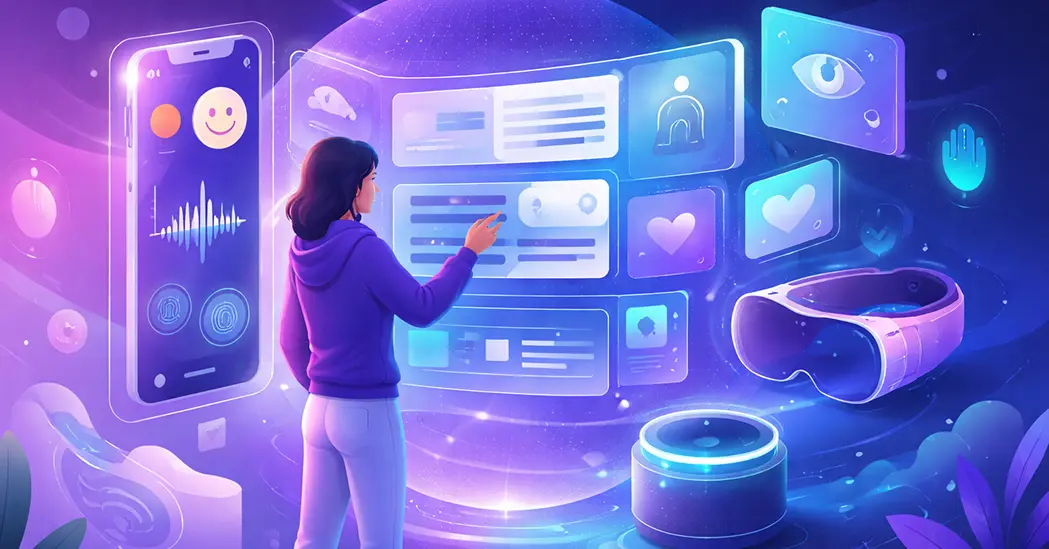
Hey there, design lovers! Imagine opening an app in 2026 that feels effortless, one that adapts to you, respects your time, and quietly understands what you need next. Cool, right? That level of experience doesn’t happen by accident. It’s the result of thoughtful UX design that keeps pace with rapidly evolving technology and rising user expectations.
As AI becomes smarter, accessibility more essential, and interactions more fluid across devices, great user experience design is no longer just about usability, it’s about relevance, trust, and consistency. The most successful digital products today are built with flexibility, empathy, and performance.
Table of Contents
Smarter Personal Experiences

UIDesignz (Linkedin)
Personalization has moved far beyond basic recommendations. Modern interfaces now adjust layouts, content, and navigation based on behavior, context, and intent. When done right, this creates experiences that feel intuitive rather than intrusive.
The key is letting AI quietly enhance the journey instead of overwhelming it. Adaptive dashboard design or dynamic content sections are a practical place to start.
Accessibility Comes First

UIDesignz (Dribbble)
Accessibility is no longer a feature, it’s a foundation. Interfaces designed with inclusivity in mind naturally perform better for everyone.Clear contrast, scalable typography, keyboard navigation, reduced-motion options, and voice support all contribute to smoother interactions. Designing this way from the start expands your audience while improving overall usability and long-term product value.
Multiple Ways to Interact

UIDesignz (Behance)
Users now expect to move effortlessly between touch, voice, gestures, and other inputs. Multimodal interaction allows people to choose what works best in the moment, whether their hands are full or their attention is divided.
The goal isn’t complexity, but continuity, making transitions between interaction types feel seamless and natural across devices.
Read More: The Future of UI UX Design and Changing User Expectations
Trust Through Transparency

UIDesignz (Toptal)
As AI-driven interfaces make more decisions, users want clarity. Simple explanations, such as why something is recommended or how data is being used, build confidence and reduce friction. UI UX design doesn’t interrupt the experience, it supports it through subtle cues, tooltips, or optional deeper insights for those who want them.
Privacy by Design

UIDesignz (Pinterest)
Privacy has become a defining part of user trust. Clear consent choices, visible data controls, and plain-language explanations empower users and strengthen credibility.When privacy tools are easy to understand and access, they stop feeling like obstacles and start becoming value-driven features.
If you’re evaluating how your current product handles data and user control, this is a great moment to review your UX strategy or explore a professional UI UX Design Agency to uncover hidden gaps.
Immersive, With Purpose
AR and VR are no longer experimental, they’re practical UI UX design tools when used thoughtfully. From virtual try-ons to interactive tutorials, immersive experiences work best when they solve real problems.
Keeping interactions lightweight and easy to exit ensures user engagement without fatigue, especially on mobile and wearable devices.
Designing With the Planet in Mind
Sustainable UX design often overlaps with better performance. Lightweight assets, efficient animations, dark mode options, and fast-loading pages reduce energy consumption while improving speed.These choices benefit users on slower networks and signal a responsible, future-focused brand.
Small Details, Big Impact

UIDesignz (Linkedin)
Microinteractions such as subtle animations, feedback states, and transitions help users understand what’s happening without extra effort. When used intentionally, they guide actions, reduce errors, and add polish. The best ones feel invisible, yet essential.
Personality That Feels Human
Interfaces don’t have to feel cold or generic. Thoughtful copy, friendly system messages, and consistent visual language help digital products feel approachable.A clear brand voice builds emotional connection, as long as it remains authentic and restrained.
Interfaces That Adapt

UIDesignz (Dribbble)
Context-aware design adjusts to screen size, time, location, and user behavior. Smart defaults, predictive inputs, and responsive layouts reduce effort and improve flow.When experiences adapt smoothly to real-world situations, users are more likely to return.
Your Next Step Toward Next-Level UX
These UX design tips aren’t just trends, they’re practical approaches to building digital experiences that last. By focusing on adaptability, inclusivity, transparency, and performance, you create products that feel relevant today and resilient tomorrow.
If you’re planning your next digital product or refining an existing one, Contact us now to explore how future-ready design can translate into measurable results.
Awards & Achievements

Best UI UX Design
Firm 2023

Top Design Agency
Firm 2024

Google Partner
Premier 2023

Top Website
Designers

Best UI UX Design
Agency 2023
